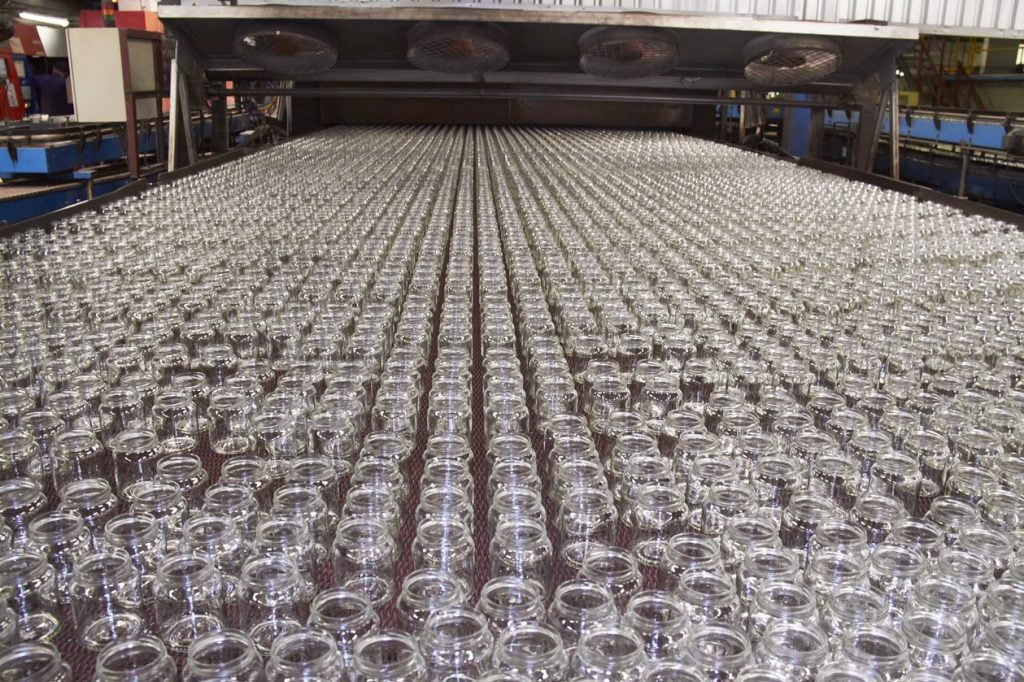
Spirits glass · Liqueur and spirits bottles
Same 500 ml, three different heights. Super flint throughout. Cork or screw, decided with your line.
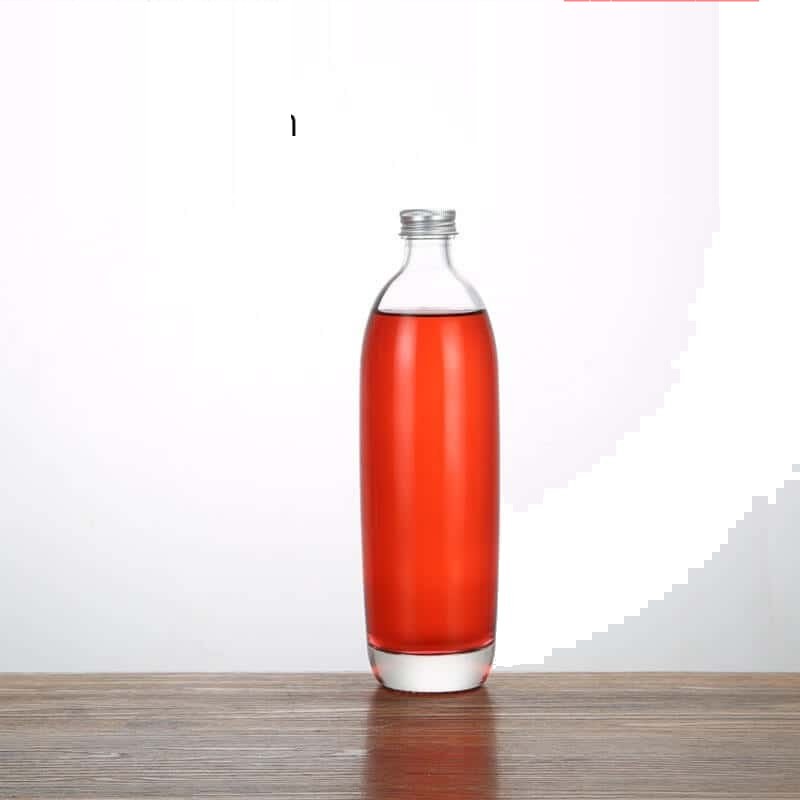
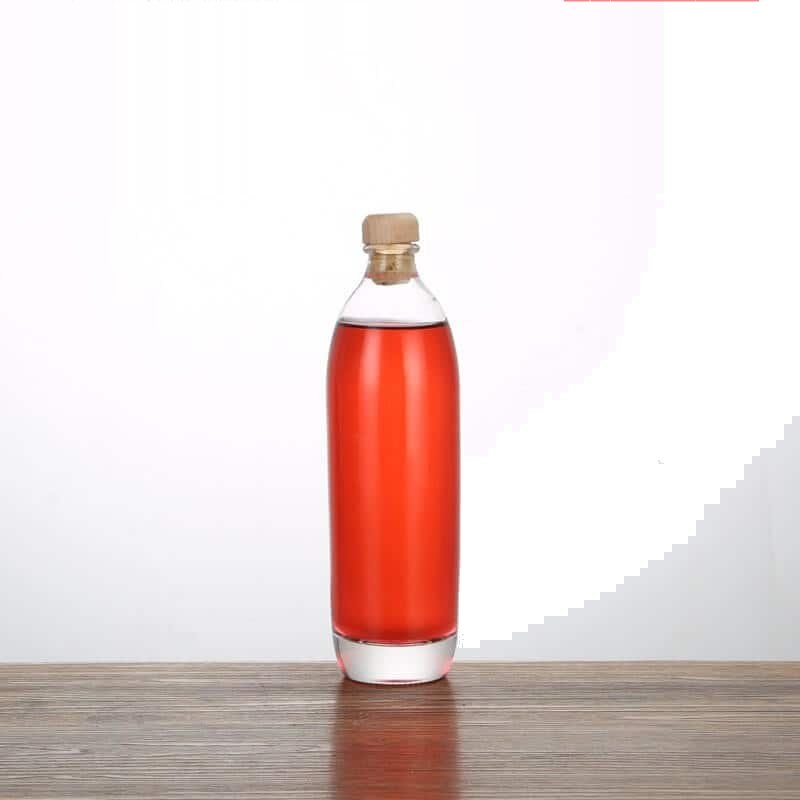
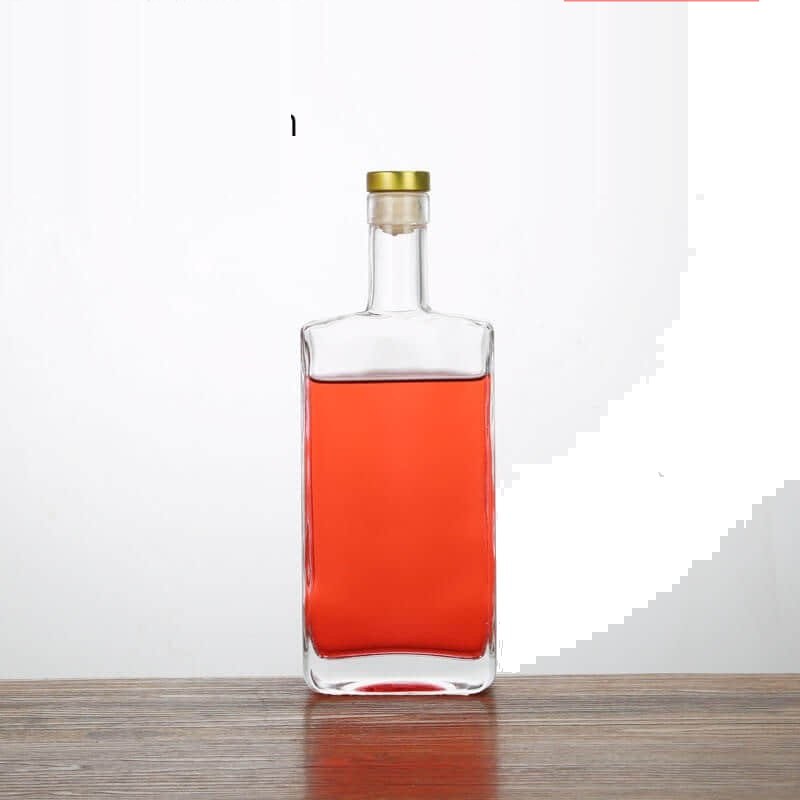
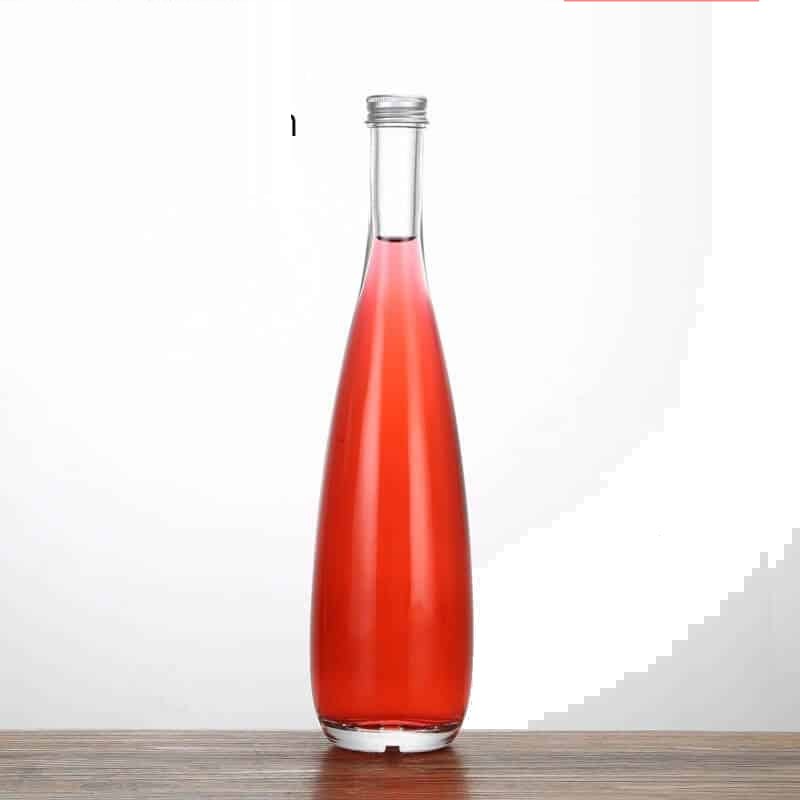
If you distil, blend a liqueur or bottle private label, you buy this glass at 330 and 500 ml, and the super flint comes out of our own furnaces in Shandong. Square, round and tall bodies run on T-top cork or screw finishes. Every height sits on its card, because in this range a 500 ml bottle runs anywhere from 24 cm to 30 cm and your carton is drawn to the tallest one you list.
Running-mould bodies at two volumes, with the height and diameter you need on every card. We quote wholesale per body and per quantity, with your cork or screw cap priced on the same line.


No running-mould body carries that closure in that shape. Your quotation can still cover it, because the cork finish repeats across three of these four bodies.

Your bottle is judged on a back bar and filled on your line, and those two jobs pull in different directions. Three things reach you in writing first.
What is at stake
Three bottles hold your 500 ml and stand 23.8, 24 and 30 cm tall. A six-centimetre spread on the same fill decides whether your bottle stands on a back bar shelf, lies in the gift box you already buy and fits the shipper your co-packer stocks. None of that is visible in a catalogue photograph.
What we supply
Height and body diameter are published on every card, and your quotation adds carton dimensions and pallet data per body. You can rule a shape out on the numbers before a sample ships.
What has to match
A T-top cork reads as a craft liqueur and needs a corker. A screw finish reads as a ready-to-drink product and needs a capper. The 330 ml round is the RTD format and the 500 ml bodies are the liqueur ones, and mixing them up strands both your glass and the line you bought it for.
What we supply
Both finishes run. Every design ships its finish drawing with the quotation, and corks, caps and capsules are quoted with the glass, so your bottler confirms the fit on paper before you commit.
What is at stake
Your liqueur is coloured, often deeply, and the bottle sells partly on that colour. Ordinary flint carries a faint green cast that muddies an amber or a rose, and it shows most in exactly the thick base your spirits bottle is supposed to have.
What we supply
Every bottle you order is super flint, the highest-clarity melt we run, and we check it against a retained reference every run. That melt also sets the 12,000-piece extra-flint tooling minimum, which is the lowest route to a bottle of your own.

Two closure systems run against these bodies, and your quotation prices the closure and the capsule beside the glass.
Your quotation states the finish, the closure and the capsule, so your bottler signs off before glass is committed.
Bulk terms from the super-flint plant. No tooling on a running body, 15–20 days from confirmation, corked samples in your hand, and a pallet count printed beside your price.
Pallet or container
A running mould carries no tooling minimum, so your first batch can be a single pallet, on identical terms for private-label liqueur brands and contract bottlers. A custom mould in extra-flint starts at 12,000 pieces.
15–20 days
From confirmation on running moulds, glass and closures together. A custom mould adds 30–45 days to your lead time, counted from drawing approval.
On request
Bottles go out closed, so you can stand one in the gift box you already buy before committing a batch. On the custom path, an acrylic model lands in about 10 days at $500, then a sample mould at 35 days puts 5–10 bottles on your desk.
EXW · FOB
Warehousing and consolidation stay in-house, and we quote transit to your port. Your liqueur bottles travel with gin or vodka bottles in one container, which is how most first batches ship.
Per body, with the quote
A 24 cm square and a 30 cm tapered bottle at the same fill load very differently, and the heavy square hits your pallet weight before it fills the space. Your quotation gives carton dimensions and 20GP and 40HC counts per body.

Your customer buys the bottle at eye level, and almost all of that look is decoration on glass that is already tooled. Our Shandong plant frosts, sprays, screen prints, hot stamps, electroplates and labels in-house, so your decorated glass keeps the same 15–20 days as plain.
We quote decoration per design, beside the glass. Decoration and labelling in detail →

A drawing, a rival's bottle or a sketch starts the check. Running bodies carry your first release, and a liqueur brand that finds its market cuts steel by the second or third year. Our mould shop prices that path in three stages.
A full-size model of your bottle, so you sign off shape, base weight and label panel before steel is cut.
Real glass from a sample mould: 5–10 bottles closed and ready for your bottler and your buyer to approve.
Your production tooling runs on the flint lines in Shandong. Minimum 12,000 pieces in extra-flint, 50,000 in standard flint.

We melt super flint in Shandong, where 7 lines turn out 600,000 pieces a day, and spirits glass is what those lines exist for. Your bottles are annealed, inspected and packed inside the group, and distillers in 40+ countries have shipped from these Shandong lines since 2013.
We measure overall height across the run, because in this range it is the spec that decides whether your gift box closes and your shelf takes the bottle.
We check the super flint melt against a retained reference. A cast in the glass muddies your amber or rose liqueur, and it shows most in the thick base.
We gauge the cork bore and the screw finish on every run. A bore a fraction wide gives you a T-top that creeps in a warm store.
Your shipment carries an EC 1935/2004 declaration of compliance for the EU and UK, food-contact documentation to FDA requirements for the United States, and ISO 9001. SGS test reports and third-party pre-shipment inspection come on request.
Heights, corks and where 700 and 750 ml live, so you know whether tooling is worth it yet.
It depends entirely on the body, and that is the whole point. The square runs 24 cm, the round 23.8 cm and the tall tapered 30 cm, all at 500 ml. That six-centimetre spread decides your gift boxes, back-bar shelves and shippers, so every card carries its height.
Ready-to-drink and single-serve products. It takes a screw finish instead of a cork, because your customer opens that format once, and it stands 21.5 cm tall by 6.4 cm.
Not in this range, which is built on 330 and 500 ml. Our vodka ladder covers 200 ml to 1 litre on the Oslo profile and the gin range reaches 750 ml, both in super flint off the same Shandong lines, so one order can cross all three. One order can cross all three, on one invoice and in one container.
A manufacturer. We melt the super flint at our own Shandong plant, one of MAIDAO INDUSTRY's two sites in Shandong and Xuzhou, and SGSBOTTLE is the export brand that quotes and ships it to you. Agents place your order with plants like ours and add a margin you never see itemised.
A T-top cork reseals over the months a liqueur sits open and reads as craft; it needs a corker on your line. A screw finish suits ready-to-drink and needs a capper. Both run here, and the finish drawing goes out with your quotation so your bottler checks it first.
There is no tooling minimum on the four running-mould bodies, so your first batch can be a single pallet. A custom mould in extra-flint starts at 12,000 pieces, which is the lowest route to a bottle of your own.
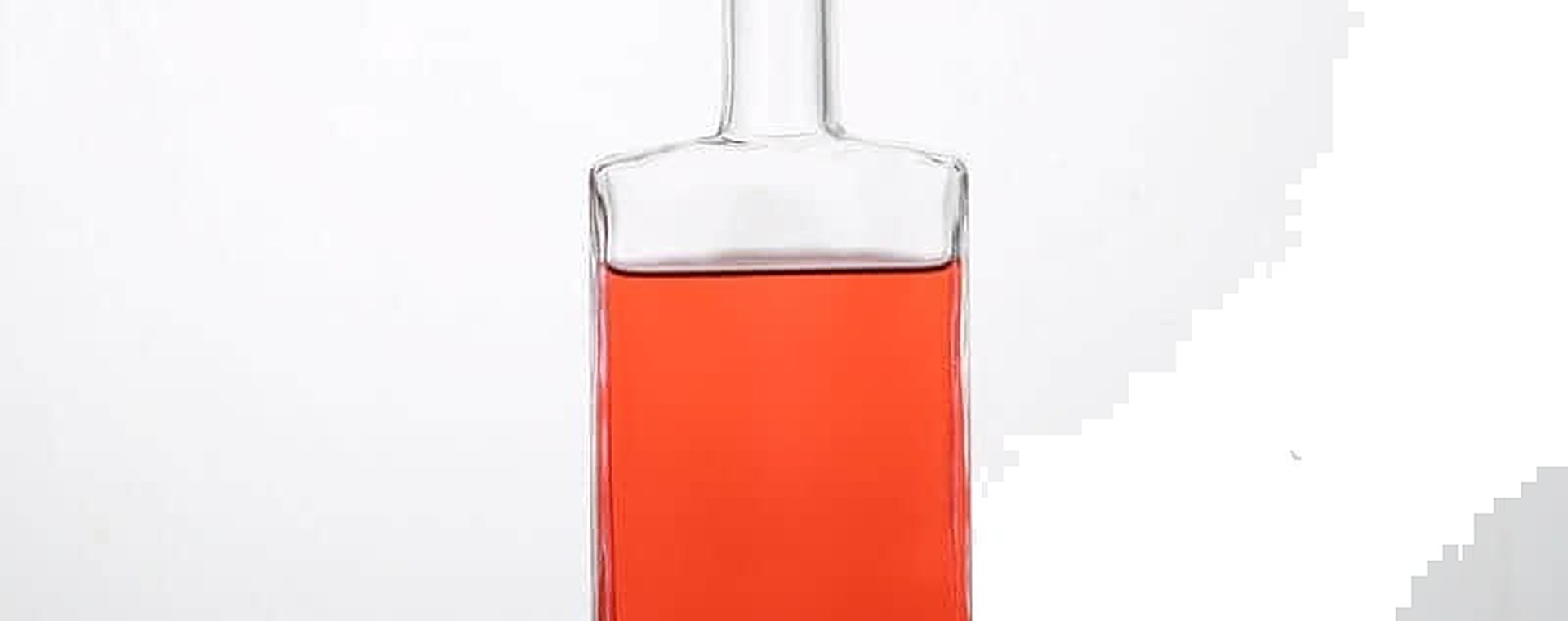
Your liqueur is coloured, and ordinary flint's faint green cast muddies an amber or a rose. It shows most in the thick base a spirits bottle is meant to have, which is exactly where your customer looks when they pick it up.
Yes, quoted with the glass and cut to the neck. Order them together and you avoid a capsule that stops short of where it should sit, which is what buying glass and dressing separately gets you.
Yes. Your order ships with food-contact documentation to FDA requirements for the United States and an EC 1935/2004 declaration of compliance for the EU and UK, and SGS test reports come on request.
The square body hits your pallet weight before it fills the space, and the tall tapered one does the opposite. Your quotation gives carton dimensions and per-body 20GP and 40HC counts so you can compare landed cost, not unit price.
A size, a shape or the cork you already buy is enough to start. Our spirits desk answers with pricing, heights and loading data inside 24 hours.
Matching running-mould bottles, heights and loading data come back within 24 hours.
The running moulds that fit get found before anyone talks about tooling.